Will this blog inevitably test that patience? Perhaps.
Life Expired. is a blog run by a Cal Poly Pomona student writer, who has a love for content creation and a schedule timed for a stress-masochist. With one blog post a week, the planned growth of the site is admittedly slow- but stay with me here, because it’s a game plan created to keep the site stable.
Your patience with the expansion of the blog is immensely appreciated, and with each new curated post aimed at animating the afterlife, I eagerly await to show you the vision I know Life Expired. is meant to be.
Rachel Doe, an 18-year-old Australian native, recalled being dumbfounded when she heard news of her ex-boyfriend’s passing. After failing to repay debts, Rachel’s ex-boyfriend Alistair* was brutally murdered by a biker gang at just 21 years old. Alistair’s mother announced his death, held his memorial service, and grieved her loss across several social media platforms. As far as Rachel was concerned, her ex was gone forever.
“If I called you and told you my mum died, you wouldn’t be like ‘give me a death certificate’.”
Rachel doe
After a few months passed, Rachel heard that Alistair’s brother worked at a cafe in town. She’d been wanting to check in with his family, and decided to make an impromptu visit. When she asked for him by name, the waitress said he wasn’t working that day– but not to worry, because his his brother Alistair was.
pseudocide: the act of faking one’s own death or staging a fake suicide.
Much like Alistair, thousands of individuals around the world attempt to fake their own deaths every year. In the US alone, private investigation firms take dozens of suspected faked-death cases every month (with one investigator solving nearly 20 cases a year). While habit and location familiarity often “out” the people who strive for a secret second life, the faked-death phenomenon begs a question: how hard would it really be to fake your own death?
In short: it depends.
Personal investigator Steve Ramban specializes in missing persons cases, with an emphasis on those suspected of faking their own death. In an interview with Sky News, Ramban explained the reasons people choose to fictionalize their apparent ending. Ramban notes, “Sometimes (people) want their life insurance money so they can live that life again…Sometimes they are trapped in a relationship or a life that is making them miserable.” Over 700 solved pseudocides later, Ramban lends his advice on how to fake your own death in 2020– and how to get away with it too.
1. Asses your likelihood of actually disappearing.
Are you born after 1985? Are you an active smartphone user? Are you currently sitting next to a wife and kids who won’t accept your unsolved death as an answer? If this is you, Ramdan says you’re going to have a harder time disappearing. Younger adults are less successful at getting away because of their online footprint alone, which has tracked the existence of nearly every legal document and personal post since birth. If your face has graced the pages of your own social media sites– let alone pictures and locations tagged through friends and family– you’re going to be a lot more recognizable than a 75-year-old mobster.
Family matters.
Will your family come looking for you?
While abusive relationships contribute to the rising number of female pseudocides, serious relationships and close-knit family members can increase your odds of getting caught. When investigators like Ramdan take missing persons cases, they’re often hired out of genuine concern from a distraught family member or significant other of the “deceased.” When the circumstances of a disappearance seem out of place for the individual, or when authorities declare a murder without a body, the lack of closure is usually enough for someone to start digging.
“I can make 1,000 mistakes- but if you make one, I’m going to get you.”
Steve Ramban
If you’re planning on informing family about your “death” beforehand, it only raises your odds of getting caught. Ramdan explains that family visits and frequent phone-calls always give away someone’s identity, while some individuals get caught because “they couldn’t bear to give up their dog.” Honestly, same.
2. Plan your exit (hint: it’s the Philippines)
While the US black market can take over a year to deliver a fresh-identity-document-kit, those seeking immediate departures can inquire overseas for expedited service. Among the exotic animal trade, secret organ trade, and infamous sex-tourism trade, the Philippines takes the lead in yet another unregulated market. For just three small payments, you too can fake your own death! Simply pay the private mortuary, the neighborhood dentist, and the nearest document-forging specialist for a truly convincing experience. And for the chic criminal? Add an additional $10,000 for a funeral event your friends and family won’t want to miss!
Fake My Death CalculatorTM
Private mortuary body: $200
Dental record: $150
Forged ID documents: $200
Casket & funeral: $10,000
Trail scratcher: $30,000+ (per year)
TOTAL: $40,550+
That’s right folks- for just $40,550, you too can become a deadman dead person! In the Philippines, bodies from private mortuaries and dental records from local clinics will only set you back a few hundred dollars. The most challenging part of the pseudocide process, however, isn’t the creation of a convincing corpse or a reasonable death-story; the most challenging part is remaining “dead.”
Even in the Philippines, video surveillance and records of your existence will still pose a threat to your deceased identity. For a few thousand dollars a month, you’ll need to hire a professional trail scratcher (someone who follows your every move and “scratches” the trail you leave behind) to have true peace of mind. Full disclosure: hire someone you know, and pay them often. Somehow the dangling $10,000 reward for any information about your disappearance can tempt even the most loyal henchman.
3. Clear that history
Odds are,
it would take
more than
five years of planning
to execute the perfect
departure.
It should go without saying, but repetition is the mother of study so I’ll say it anyway:
DON’T SEARCH “HOW TO FAKE YOUR OWN DEATH” ON THE INTERNET
IF YOU’RE REALLY PLANNING TO FAKE YOUR OWN DEATH.
Clearly you’re wise enough to read this article on a public-use device, with an anonymous account, and in a surveillance-camera-free zone. If not, you’re even dumber than you’d need to be to try faking your own death. While your version of google appears to erase all history, your internet service providers are more than willing to provide law enforcement with your data. In other words, if you’re running from your current life because of debts or crimes you have yet to face, it’s only a matter of time until they find you.
In reality, the problem that seems inescapable now will be long-gone by the time you could ever truly pull off a fictional tragedy (or at least, one that’s semi-convincing). And if your worries outlast a five-year buffer period? I’ve got news: your problems will probably kill you before you do.
Want more decay? Check out the Life Expired. Blogroll for all articles about the un-living.
TRIGGER WARNING: The following post contains material related to mental health issues, depression, anxiety, PTSD and suicide. Please read at your own discretion– and bear in mind that no one would be better off if you were dead.
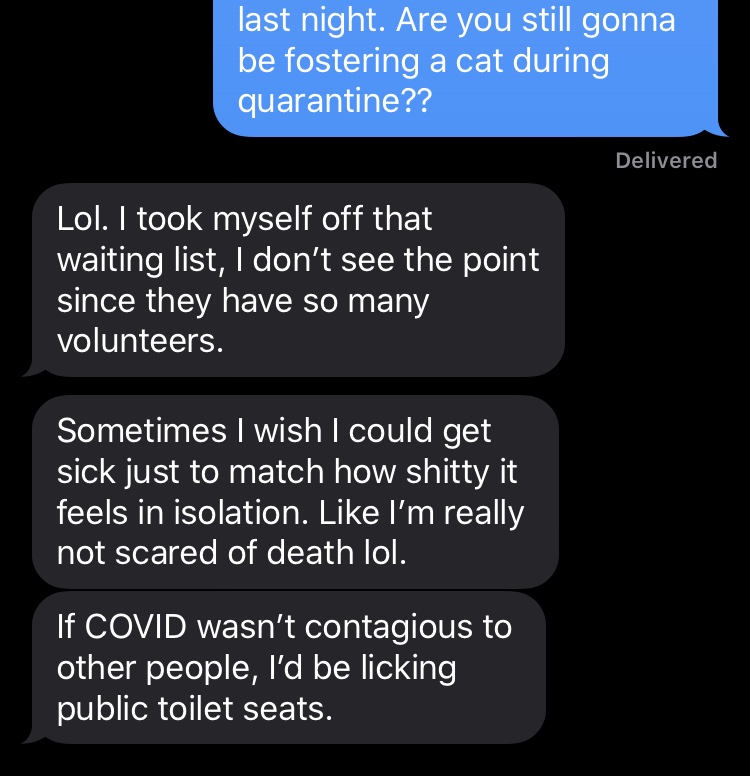
“If COVID wasn’t contagious… I’d be licking public toilet seats.”
Three texts sat on my phone’s home screen page for nearly 48 minutes, waiting patiently to be read while I whirred around my kitchen in an orchestra of tomato sauce and red wine. I’d been conversing with an old friend from my previous college, bonding over the disarray of converted online classes and ancient teaching methods. She asked how my dog was doing now that I was spending all day at-home during the coronavirus outbreak. I asked her if she would be fostering a cat.
PHOTO CREDIT: RACHEL FRANKEL FOR LIFEEXPIRED.COM
78 characters and a (mediocre) pasta puttanesca later, I felt a sharp jab at both my dark sense of humor and my DANGER-WILL-ROBSINSON intuition. A text like this would’ve earned dozens of “haha” reactions, 😂😂😂crying laughing emojis, and “honestly same”s from a standard college student group text. But when a twinge of legitimacy hides under an otherwise unassuming message, the choice of response turns from playful –often unknowingly– to crucial.
Know when to discern humor from reality.
At 19, I got a voicemail from an area code I didn’t recognize. I shrugged it off as an all-too-tenacious telemarketer from Illinois. Two days later, I got another call. A friend had hung herself and died.
About a week after her funeral (in Chicago, Illinois), I opened that strange number’s voicemail. It was left by my friend. She made some casual comments about getting a new number, how I probably thought it was a crazy stalker trying to reach out or a telemarketer. The message ended with a friendly call-me-whenever-you-get-this, adding a haunting final remark:
“So much crazy stuff has happened the last few days, so if I don’t get back to you first– I got into the arsenic instead lol.”
It was a joke about self-destruction that got echoed by thousands of others on a daily basis. But this time it wasn’t funny. How is it then, that anyone could discern humor from reality– especially when we all live in a disturbingly self-deprecating world?
There’s no such thing as comedian without cause.
While most signs of suicidal thoughts may seem glaringly obvious like giving away one’s valuables, speaking about one’s future as though they aren’t a part of it, isolating from friends and family, becoming noticeably more withdrawn or depressed, etc., the sign that goes by often dangerously unnoticed is the persistent use of suicide jokes in conversation. According to an article by Stanford Children’s Health, repeatedly engaging in conversations about suicide– even jokingly– was a key warning sign in identifying suicidal thoughts and tendencies in teens and young adults.
When suicide-attempt survivors in British Colombia were asked if they’d told someone of their plans to die, the answer among all survivors was a resounding “yes.”
Listen when someone tells you they want to die. We have to resort to using “taking one’s life” or “self-destruction” just to talk about suicide, and it’s easy for conversations that simply discuss the topic to feel taboo. For someone who is suicidal, joking about death may serve as an outlet for them to express how they really feel about dying without the serious undertone. They can gauge their audience’s reaction to the joke and retreat to “I’m just KIDDING, god!” if their response is met with apprehension.
So– amidst a global pandemic where survival rates are being squeezed into the media forefront every waking day– what should you do if you can’t stop thinking about wanting to die?
No, not a list of hopes and dreams and positive manifestations you aspire to be– that list is already sitting in an unopened journal at the bottom of your closet. Instead, write a list of three things (minimum) that you need to get done today, whatever that means for you. If you’ve already done the bare necessities for your well-being like personal grooming and making breakfast, congratulations– you’re ahead of the curve. But if you haven’t, this list can be the difference between the smallest twinge of satisfaction, and the most overwhelming feeling of failure. Whether your list is as extravagant as:
Hand whip coffee
Dry clean gowns
Home make soufflé
Or as critical as:
Shower
Eat
Brush teeth
Writing those three things down can offer even a nominal sense of control, especially when the thought of facing another day of tasks feels overwhelming at best. That hint of pride from crossing tasks off is just the cherry on top.
Did I really just suggest, to a potentially suicidal person, that you’re not really all that special? In case you haven’t heard, the world population almost stands at 8 billion people. Maybe no one else has your exact DNA or knows each and every thought you’ve ever had– but the feeling of being alone is far from unique. While nearly50,000 people diedas a result of their suicide attempt last year, a figure that’s already 50,000 people too high, over a million more made a suicide attempt and survived.2017 data from the National Institute of Mental Health shows that:
9.8 million Americans seriously consider ending their lives every year.
9,800,000 people. Every year.
While suicidal thoughts aren’t exactly an ideal shared experience, understanding that suicidal thoughts aren’t rare is a crucial experience, because millions of other people really do feel the same way as you. It may seem like you’re the only one who could possibly feel this burden right now, but even acknowledging the prevalence of suicidal thoughts among the masses can help you recognize you’re not really so alone.
If you’ve convinced yourself that you’re too insignificant, meaningless, or worthless to be saved by the above suggestions, then riddle-me-this batman: what do you have to lose by saving the lives of others?
Non-profits are in crisis.
With a plethora of organizations now in dire need of volunteers amidst the COVID-19 outbreak, there is a growing demand for anyone who is ready to serve their community. While the screenshot at the beginning of this article showed my friend’s discouragement around the “so many volunteers” who’d applied to the same cat foster program, not every organization is so lucky. According to a press release from the American Red Cross, as the novel coronavirus continues to spread, the organization expects to see a decrease in those eligible (and willing) to donate blood. In case you didn’t know, volunteers are the only source of blood for life-saving patient transfusions.
“But what if my physical heath sucks and no one wants my blood?”
You’re not out of the woods yet my friend. As of right now, over 230,000 volunteers are still needed for thousands of virtual jobsduring the pandemic. Do you write? Do you draw? Do you read? Do you breathe? There’s an organization that needs your help, right now, regardless of what you think you (don’t) have to offer. There’s a reason that patients diagnosed with chronic pain disorders are often referred to volunteer work: enriching the lives of others *literally* transforms internal pain, physiologically and psychologically. If you can’t see the point in living another day for “just” yourself, imagine the difference a day could make saving the life of someone else.
Did it take an incredible amount of restraint *not* to use a picture of a twenty-something-year-old white woman with this quote tattooed on her wrist? Yes it did. But cliches aside, the phrase doesn’t lie.
Your mind is lying to you.
While most of us have our memories dipped in rose-colored hues, the suicidal brain would rather dunk these memories in arsenic. Why is it so hard to remember life outside of wanting to die?
You haven’t always been in a world devoid of hope and joy.
Hundreds of times you’ve laughed so hard, sometimes just from others laughing around you, that your eyes have welled with tears. You’ve taken a bite of something new that was so-frickin-good, only that one restaurant knows how to make it right. You’ve taken that quick breath through your teeth when freezing ocean water hit your feet, and continued running as close as you could to the waves without touching them. You’ve been on a road trip so early in the morning that you’ve seen the sun rise, and you’ve dozed back to sleep in the passenger seat shortly after. You’ve made eye contact with a baby at the grocery store, and you’ve tried not to laugh when they giggled and smiled back.
Life wasn’t always like this, and it will never be like this again.
Every moment of everyday is fleeting and unable to be duplicated; which also means you’ll never feel exactly the same as you did today. I know you think this mental state is unescapable, that life will never move past this, that you were doomed from the start to be a hostage to your own brain. So if you don’t have anyone in quarantine to hound this concept into your noggin, let me do it for you:
You’re wrong.
You think no one has ever experienced this pain and that no one can help you, but you’re wrong. You think you’ll never get through this quarantine, but you’re wrong. You think your brain will be stuck like this forever, consumed by thoughts of wanting to be any place but alive and alone; but you’re wrong. Every ounce of scientific research, every CT scan, and every piece of peer-reviewed psychological advice can prove that your mind is playing roulette with your will to live– so stop placing bets against yourself. With the utmost confidence, and odds than are 100 to none, I know for a fact you won’t feel like this forever.
If you can’t stop the cycle of feeling better-off-dead:
Write down what you would tell a parent, sibling, friend, teacher, or even a future child if they told you the world would benefit from their death. Fight through tooth and nail to remind yourself, logically, why your death would actually ruin the lives of everyone around you. Fight to remind yourself of the despair you feel at your worst– and ask yourself if you’d really wish that upon everyone you’ve ever cared about in your life.
5.) Understand that “normal” is just a setting on your dryer.
In case the state of 2020 thus far hasn’t been convincing enough– the emergence of the most destructive fires in Australia, the death of Kobe Bryant, the impeachment trial of a reality TV host/president, the damn near beginning of WWIII, the succession of royalty from Prince Harry and Princess Di Duchess Meghan Markle, the conviction of Harvey Weinstein, the faked death of Kim Jong Un, and now the development of the formidable “murder hornet” arriving in the U.S.– normal is just a setting on your dryer.
I honestly don’t know why you want to kill yourself. Maybe you don’t even want to die, so much as you want to stop living. Maybe you have depression, anxiety, PTSD, bi-polar disorder, schizophrenia or an issue with substance abuse. Maybe you don’t and you never have. Maybe you think you don’t have any living relatives to mourn your death. Maybe you have a mother, a father, a sibling, a spouse, and a child.
There is no such thing as normal circumstances surrounding the thought of ending your life.
Alternatively, there is no such thing as normal circumstances surrounding the life you choose to live. We’re all figuring this out as we go so if you’re “acting normal” to mask the thoughts (you think) your friends and family would never understand, roll those dice and try again. The only way to get out of the scary place you’re in is to actually acknowledge you’re there– and to admit that you don’t want to extend your stay.
Reaching out?
Even if none of the suggestions above have resonated with you, talking to friends and family about your thoughts of wanting to die is the one coping mechanism noticeably absent from this article. This omission isn’t to suggest that reaching out isn’t effective– in fact, talking about your suicidal thoughts is one of the most beneficial things for your recovery. But to me, that suggestion runs parallel to telling an alcoholic the most beneficial thing for their recovery is to stop drinking. You know what needs to be done to mitigate the problem– but you also need the confidence to make the decision to reach out on your own. If ever the confines of quarantine feel too devastating or overwhelming to deal with by yourself, you don’t even need to talk on the phone to get 24/7 help.
“Social distancing may feel lonely, but you don’t have to be alone.”
CRISIS TEXT LINE, 2020
If you’d rather start by reaching out over text instead of voice call, Crisis Text Line was developed to respond to people in psychological need.
Text HOME to 741741, 24 hours a day, seven days a week, if you ever need to chat with a trained crisis counselor about whatever you’re going through.
And they’re not reserved as a “suicide-only” hotline; Crisis Text Line has counselors trained on COVID-19 anxieties, seasonal depression, emotional abuse, and any other number of issues that place you in a state of crisis. Whether you chat with an anonymous stranger or choose to text with a friend, keep choosing to reach out when life becomes unmanageable. Make informed decisions about behaviors that can help transform your mental health for the better, and remember: absolutely no one would be better off if you were dead.
National Suicide Prevention Hotline: 1-800-273-8255
COVID-19 has changed life as I know it; but not everyone is changing.
While writing my previous post about death rates and the coronavirus, thousands of social media posts flooded platforms with warnings against mass hysteria, overreaction, and inciting anxiety amongst the public. Like the good citizen our watchdogs wanted me to be, I compared the novel coronavirus to the thousands of food-borne illness related deaths in the U.S. every year, presenting some perspective in attempt to lessen the impact of COVID-19.
I was wrong.
Almost 200,000 domestic infections later— with real numbers likely surpassing a half million– it has become clear that the underrated attitude young adults hold towards the coronavirus has been gasoline on its flaming spread. With cities across the nation preparing an onslaught of temporary morgues to keep up with the unpredictable death toll of COVID-19, the immersion of complete containment bears a question:
Why are we more afraid of being alone, than being infected or dead?
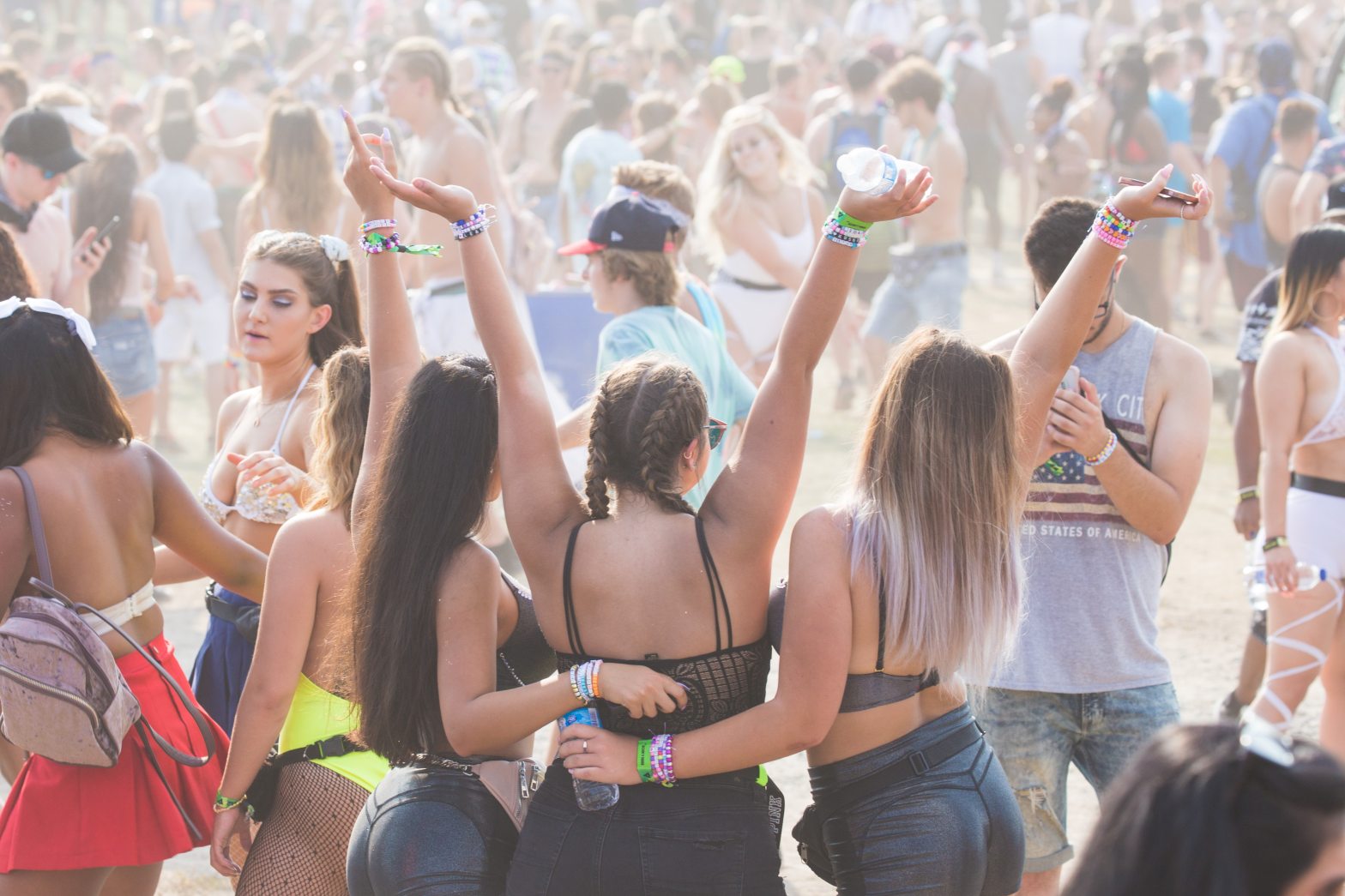
This isn’t a virus that affects the foot, people– it’s an infection that tricks your body into killing its own respiratory cells. Simply put, it may not let you breathe. And yet, thousands of late teens and twenty-somethings shuffle to find a perfect tanning spot among the un-phased spring breakers, because “I’m not gonna let it stop me from partying.”
The problem: our information age isn’t really informed.
So what do Florida Keys spring breakers, Bourbon Street tourists, and St. Paddy’s Day Chicagoans have in common? They’re actually proud to be posting their social-distancing-defiance, bathed in the ignorance that is their own disregard of logic and science.
How is it that a generation– who self-identifies with memes about being anti-social, tweets about cancelling plans, and posts about staying home– has become afraid of the indoors? We know coronavirus spreads rapidly, we know it will likely kill the elderly, and we know it has has proven it can kill the young too. Yet over, and over, and over again, young people across the country prove not to care. Scratch that: they care more about getting Starbucks with Becky than exposing family with pre-existing conditions.
The COVID-19 outbreak has reignited the oh-so-uncomfortable topic many Americans try to dodge at all costs: death. While only the minority of coronavirus cases have resulted in hospitalizations, the sheer rate of infection/complete lack of preparation has put millions of Americans face-to-face with their own mortality; something society desperately attempts to bury under the cover of euphemisms and good manners. And yet, facing the reaper, we don’t seem to care. We hear about COVID-19 killing, we see COVID-19 spreading; and we feel that our personal preferences are still far superior to the needs of the millions.
Information is not a luxury good. The internet is not a gated community. Yet in the age of the easiest information known to man, we have never been less logical. If you take the threat of pandemic seriously enough to bulk-buy toilet paper and Kraft pasta, Boomer, take it seriously enough to stay inside. If it’s serious enough to disrupt your sales team, Millennial, it’s serious enough to disrupt your social circle.
And finally, if you’re one of the “enlightened” individuals of any age who believes COVID-19 is a punishment from your all-mighty god: I hope you get to meet him, very soon.
EDIT*** September, 2020: As you can clearly see by the humorously low COVID-19 figures used in this article, I was very wrong. The current measures put in place for COVID-19 safety are justified and fueled by information, not fear. Masks have always been, and will always be, for the sake of slowing the spread. Not to prevent it completely, and not to eradicate the disease. We slow the spread to prevent hospitals from overflowing and inadvertently killing those with other emergencies who wouldn’t get care in-time. To the anti-maskers yelling “just stay inside if you’re scared and leave us alone”, I encourage your nurses and doctors to tell you the same when the inevitable occurs.
As experts, researchers, hospital workers and healthcare officials scramble to contain the new COVID-19 outbreak around the world, chatter about its growing death toll has run rampant. With now more than 330 reported coronavirus cases in the U.S. alone, anxiety about its deadly spread has both infected and polarized social media feeds everywhere.
Articles warning of the stock market decline and hygienic mask shortages are reposted on every home page, contrasted with opinion-pieces about growing xenophobia and prejudice against Asians. Many Americans have descended into the frenzy of contamination preparation and hand-sanitizer overkill, seemingly oblivious to the fact that death lurks every time they pick up a fork and knife.
48 million people suffer from foodborne illness each year, just from transmissions in the United States alone. With over 30 different pathogens identified in troublesome tummies, it’s time to bring our fears about an early coronavirus death into perspective:
Despite the hand-washing headlines and absurd over-protection many people are opting to use against the infamous COVID-19 virus, food poisoning still sends thousands more into an early grave each year. Use rationality when consuming sensationalized lead media stories, and take over-precautions with a grain of salt. After all, no one lasts forever.
After receiving news that a family member or loved one has died, it can be distressing enough just to make funeral arrangements (or alternatives) in a matter of days. Even after the extended family and friends have been notified, a guest list has been made, priests have been requested, caterers reserved, and funeral-home deposits paid, perhaps the most frightening aspect of all appears last: public speaking.
“I have always believed funerals are for the living… The legacy and accomplishments of[our]loved ones have not died with them”
Often reported as the thing humans fear more than death itself, the task of expertly intertwining past memories, unkempt emotion and the deceased’s true personality can be an exasperating at best-especially when you don’t know where to begin. Done without preparation, the eulogy can become an uncomfortable depiction of discombobulated grief and misguided mourning. Written with thoughtful moments and memories in mind, it’s the perfect reminder to celebrate the life of the departed.
Step 1: Assign your speaker
Eulogies can be given by children, spouses, siblings, religious leaders or close friends. In some cases, even classmates or co-workers can deliver a meaningful message. As long as the chosen speaker had a close relationship with the departed, they should be considered to deliver the message.
Step 2: List their qualities
Make a list of your favorite qualities embodied by the person who died. Whether they were defined by their sense of humor, their kindness, their attention to detail etc., putting these traits on paper can help organize your thoughts for later.
Step 3: List moments together
Based on the traits listed above, start trotting down memory lane to uncover moments that reflect these qualities. It doesn’t have to be a groundbreaking, action-packed flashback; even recalling a seemingly small gesture might perfectly capture who the person was.
Step 4: Supporting sources
If you’re still stumped for stories, consider turning to other content for inspiration. Whether finding a perfect poem, hearing a familiar song, or seeing a picture worth a thousand words, utilizing the departed’s favorite mediums can provide some much-needed encouragement for your tribute. If appropriate, consider including snippets of your inspiration source in the eulogy itself.
Step 5: Write the first part last.
Possibly the most daunting task in writing the eulogy is facing the blank screen of a word document or the white page of a notebook. Trying to write a formal introduction first can become frustrating and unfocused, so practice “word vomiting” on the page before organizing your speech.
Final notes
Prioritize the personality of the deceased and the impact of their life above all else.
Consider practicing in front of several family members to get comfortable delivering your message before the ceremony.
No eulogy is “perfect.” If your finished product shows the audience who your loved one was, you’ve perfected it.
When I was five, my parents dodged the furrowed brows and judgmental scowls of strangers as I approached an open casket. Jean, my trusted mahjong partner and “secret keeper” at the senior citizen’s center, had died. She was 83.
Nearly two decades later, I can still hear what was whispered about my presence around the funeral hall.
“You think that’s really appropriate?”
“I would never let my child see this.”
“Is she even old enough to understand?”
Or, my personal favorite from a “wise” greek woman:
“Don’t worrykoukla mou, she is just having a long sleep.”
Since then, I’ve attended my fair share of funerals with a range of guests and cultural backgrounds. But while funerals are experienced on a continuum of celebration, tradition and personal preference, some things are fatally universal.
For the sake of your loved ones and other funeral-going guests, don’t fall victim to a few classless comments about the departed. Here are just several things I’ve heard that should never be said at a funeral:
“Do you have any idea how much he left everyone?”
“I would just die if I lost my (brother, aunt, parent, etc.)”
“My dog of 11 years passed last May, I know how you feel.”
“Will there be a free lunch after this?”
“Now you can start dating again!”
“This must be a huge weight off your shoulders.”
“God only challenges his strongest children.”
“Everything happens for a reason.”
And finally, from the mouth of an old village woman with her husband at her side:
“What a beautiful ceremony! Your dad would’ve been so proud. Can I have your number so we can start making arrangements for my husband?”
Have you ever overheard insensitive remarks at a funeral? We’d love to hear from you! ⬇️ Please comment below with your experience and reaction⬇️
How to bring Mexico’s Día de Muertos tribute into your own home
If you were one of millions who watched the Pixar movie Coco (the highest grossing animated movie of all time in Mexico), chances are you’ve become familiar with the mystical ofrenda.
And if you haven’t, you’re about to become “educarte.”
What is an “ofrenda?”
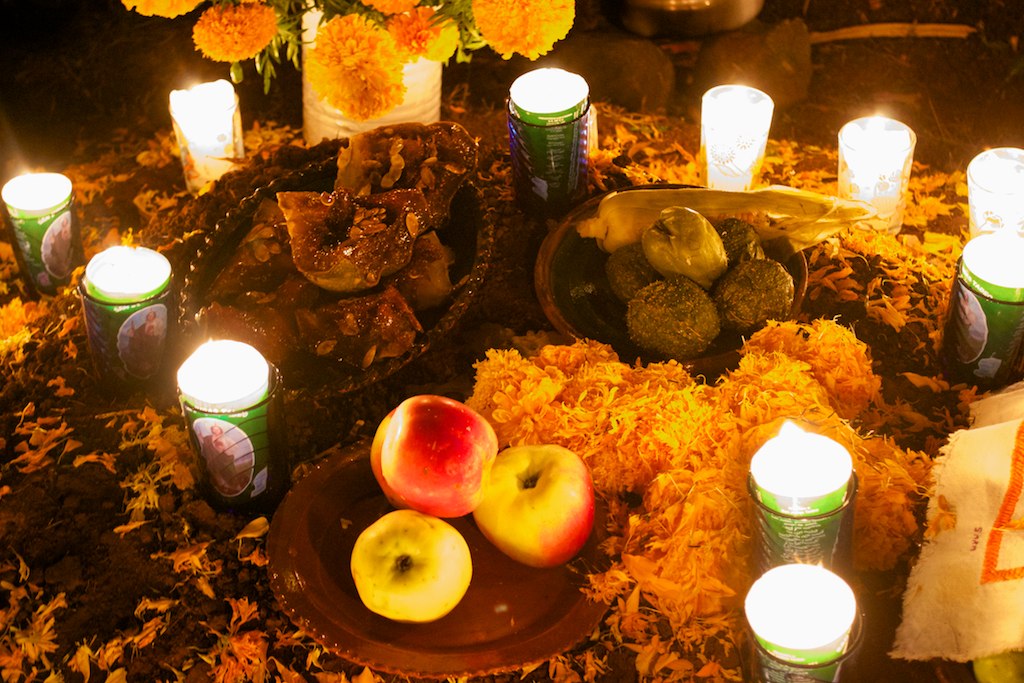
Also regarded as “altares” or alters, these displays are not designed for religious worship, but serve instead as the ofrenda’s literal translation: an offering. Created during Día de Muertos — the days of the dead — tables and shelves are gathered to help form a base upon which many thoughtful and specific offerings are placed. During this three-day celebration, souls of deceased loved ones are believed to make an annual pilgrimage to the land of the living, and these ofrendas serve as stopping points for the spirits on their trip. Photos, favorite foods and drinks, and meaningful objects are only a few examples of the items brought to the table.
Ofrenda DIY: Making Your Own
1.Clean. Limpia, wash, tidy– and then clean some more. After all, you’re preparing for some very special house guests, mija! If you thought your mother in-law was critical about your home before, just wait until she haunts you with dirty-dish guilt beyond the grave.
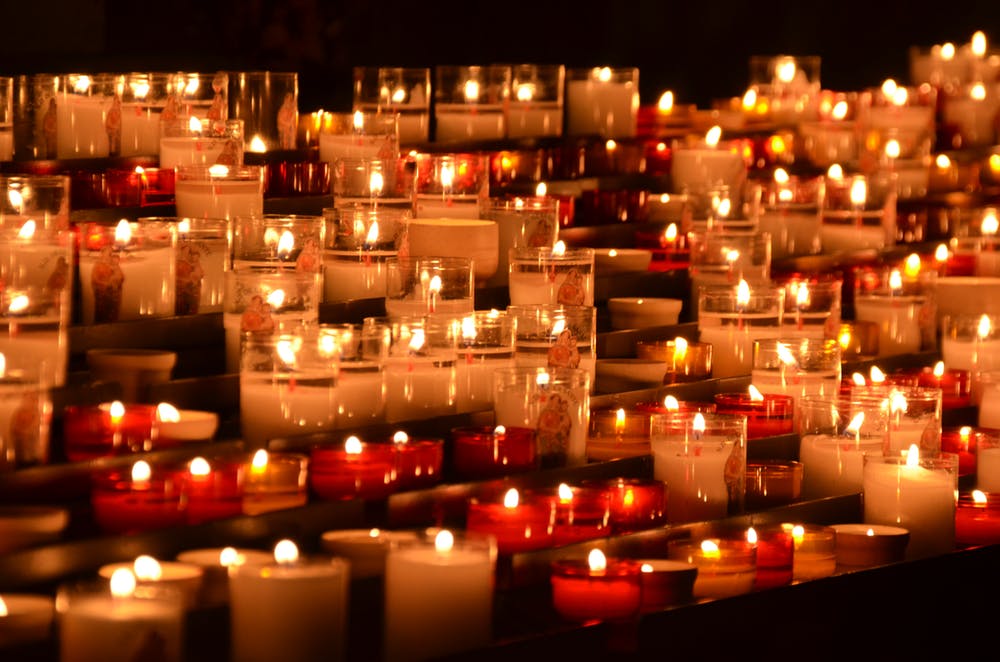
3. Light the way. It is customary to light candles for the deceased souls you wish to guide back, so bring your longest-lasting torches and make sure the location of the ofrenda is a safe distance from fabric, paper, or otherwise flammable materials. It should also go without saying, but don’t leave a lit ofrenda unattended– there’s no need to join the relatives you wish to guide in the afterlife.
4. Start stacking. Customary items include water (to quench the thirst of the souls from their long trip), incense, favorite foods, drinks, and small toys for the souls of the children who have passed. A photograph of each family member you wish to guide back should likewise be placed on the ofrenda, so that they can easily find their home and offerings.
There you have it amigos! As demonstrated by this beautiful Mexican tradition, not every aspect of death has to serve as a solemn or depressing ceremony. Let us take inspiration from the way the lives of the dead are celebrated during Día de Muertos, and maybe this year, you too can enjoy the company of your loved ones at the ofrenda.
While watching the TV show Long Island Medium, main character and self-proclaimed psychic Theresa Caputo argued over burial plans with her husband Larry. She wanted to be buried in a cemetery plot with a serene view, ample shade, and a meaningful stone.
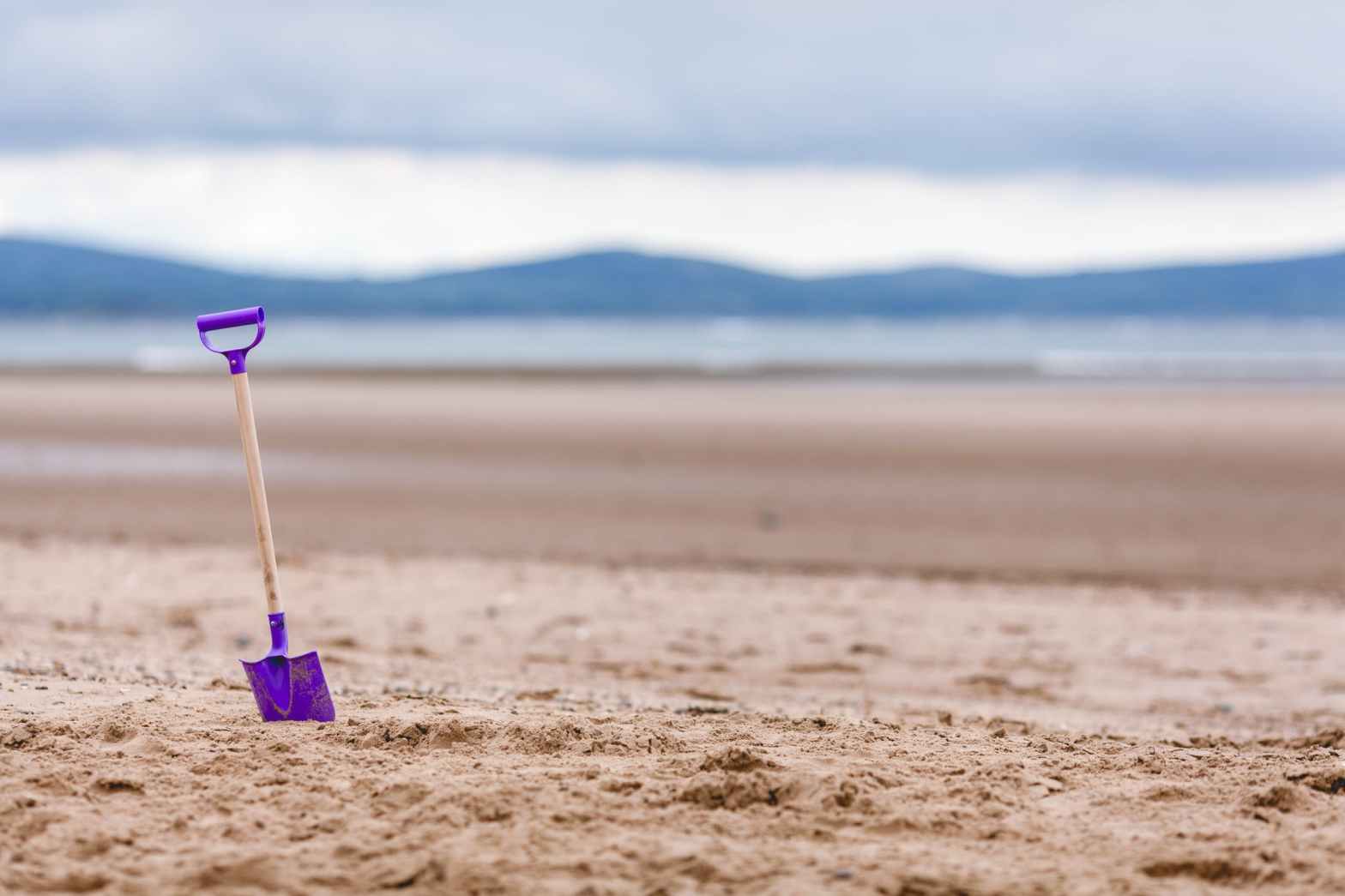
Surprised by Larry’s lighthearted answer, I wondered: what else can really happen to your body after you die? After all, the average cost of a funeral is set to surpass $9,000 by 2020– and that could buy quite a haul of sand art.
In a society with marketing trends that target “individuality” and being unique, why do we all still spend eternity in a box? Instead of seeking solace six feet under the soil, here are five casket alternatives for the uncommon corpse:
Tree huggers: clutch your pearls and hold your applause. You can *actually* be transformed into your sapling of choice to commemorate your life. While millions of pounds of wood, steel and pollutants are buried underground from casket burials, this option is refreshingly eco-friendly! Biodegradable urns are now on the market to give back to the environment, and they’ll only set you back about $140.
Arrange it with your local medical school beforehand, but donating your body to science is a great way to conserve underground real estate! Donations provide material to test new cures and medical field advancements, so consider donating to one of the thousands of medical schools around the country in need.
Theresa Caputo’s husband may have been on to something. While being cremated and incorporating ashes into project-grade sand or paint isn’t the most conventional, it offers your loved ones a treasured keepsake. Maybe not the most suitable for a timid, tomb traditionalist, but it’s a low-waste aesthetic memorial that doubles as decoration. Plus, imagine the dinner party conversation:
“Oh what a stunning work, I didn’t know you collected art!”
Technically you can still be mummified, though modern-day mummification is admittedly reserved for modern-day pharaohs with the cost alone. The price of the actual mummification process starts at a whopping $67,000 before adding an appropriately ornate sarcophagus to spend eternity in.
Go out with a BANG. Incorporating your ashes into fireworks for a final, fiery farewell is perhaps the most attention-grabbing casket alternative on the list. Share this as a suggestion to your all-eyes-on-me friends! Just be sure to check that the family of the deceased is on-board before making arrangements; otherwise face an explosive confrontation when they realize you’ve blown up their relative’s remains.












 Life Expired.